The worst meeting I ever ran was at TripAdvisor during the Instant Booking build. Fifteen people, a forty-slide deck, ninety minutes. Zero decisions. The deck gave everyone something to react to and nothing to think about.
I ran versions of that meeting at a dozen companies before I saw the cause. The format was built for presenting. Hand people a deck and you get reactions, and you skip the slow, uncomfortable work of reasoning through a hard problem together.
The first time I ran a meeting from a written memo instead - no presentation, everyone reading the document in silence for the first twenty minutes - the conversation afterward changed. People argued with the document instead of the presenter. Disagreements came out earlier. The author had no presentation layer to hide behind.
That is the meeting Jeff Bezos built at Amazon, and it comes from the same operating philosophy as his rule that most decisions are two-way doors. It is a deliberate choice about how decisions get made and who answers for them. Most meetings fail on format before anyone in the room says a word.
You cannot hide a weak argument behind an animated chart. A six-page memo puts the thinking on the page, where everyone can see the gaps.
The six-page memo
Amazon's important meetings start from a six-page narrative memo. Full sentences, no bullets, every claim carried by a paragraph. The format forces the author to think, rethink and cut before anyone else reads a line. The directly responsible individual for the decision writes the memo and owns the outcome.
A deck is easy on the author and hard on the audience. A memo reverses that. Writing six pages means you have worked through the objections and the dependencies before your peers start pulling on them, and it makes you a sharper thinker and a clearer writer.
Study hall
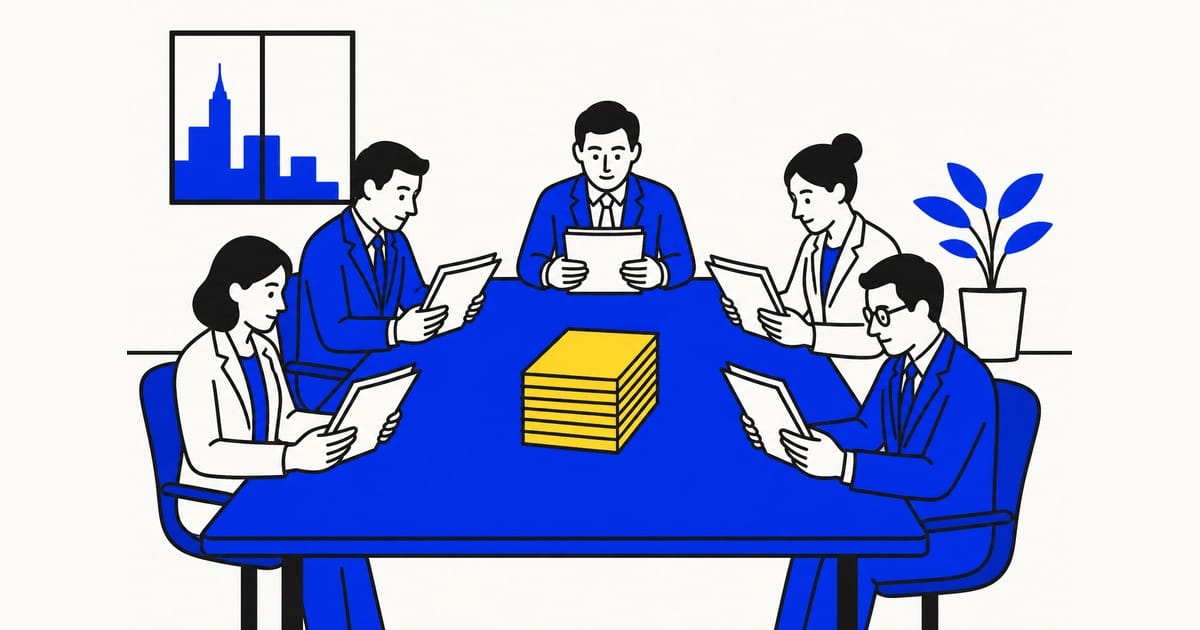
The second piece is the part people remember: the meeting opens with everyone reading the memo, together, in silence, pens out. Bezos has compared it to study hall. Nobody bluffs. Nobody pretends they read the pre-read on the train. For about thirty minutes at Amazon, the most senior person and the newest person in the room do the same thing.
Reading together is a courtesy to everyone in the room. When the reading ends, everyone starts the discussion from the same facts and the same argument.
I have watched dozens of tech teams try to fix focus with pre-reads. Most go unread or get skimmed in the first five minutes of the meeting. Bezos built the reading into the meeting itself, which is why his version holds and the pre-read does not.
The messy middle is the point
After the reading, the discussion is open and sometimes messy. Because everyone has the same context, it starts at a higher level. Nobody spends twenty minutes on background.
The goal is the right answer. People ask the questions that feel dumb, chase the edge cases and work through the notes they wrote in the margins while the argument is fresh. If the answer were already known, the meeting would not need to happen. A good one ends with insight, and agreement is a side effect when it comes at all.
Why the deck loses
A deck is a persuasion tool. That is fine in a sales meeting. Inside a company, the job is to learn, doubt and test the idea, and a sequence of slides pushes the room toward the author's conclusion one frame at a time.
Slides also invite interruption. "What about this?" on slide four derails the argument before slide nine answers it. Bezos has described writing a question in the margin and finding it answered two pages later. Reading the whole memo first clears that clutter. You listen, then you engage.
What the model gives your team
Nobody has to fake having done the pre-read, because the reading happens in the room. The people who understand the problem best show it on paper, regardless of who presents best. Politics fade when the argument is written down and everyone has read it. The author has real ownership of the outcome. And over time, everyone on the team writes and reasons better, because they practice every week.
How to start
Pick one decision that deserves real thought, and have its owner write a narrative memo. It will take longer than a deck. Help them if they need it.
Open the meeting with twenty to thirty minutes of reading, depending on the length of the memo. Print the memo if that keeps laptops closed.
Then step back. Resist the urge to steer, and let the room's questions go where they go.
Recognize the effort afterward. Writing these memos is hard, and so is reading them carefully. A messy meeting that produces a real answer is the outcome you want.
Changing how your team makes decisions?
How a team runs its meetings decides how it makes decisions, and it is one of the cheapest operating changes a product leader can make. Let's talk.