Building Lean Startup Circle Boston was my first experience running a community without any formal authority — which turned out to be one of the best team-building lessons I have had. You learn quickly what actually motivates people when compensation and hierarchy are not available as tools.
We ran the chapter out of Microsoft's NERD building at 1 Memorial Drive in Cambridge. The format was tight: each presenter got fifteen minutes. What is your company, how are you applying lean thinking, what is your biggest lesson, what is your current challenge. No pitching. No slides required. Just honest accounts of what was working and what was not.
Building the community
The speed wins principle came directly from this period: the LSC model worked because we shipped events fast, learned from attendance and energy, and iterated. The lean methodology we were teaching was also how we operated.
We got that culture right. Founders would get up and talk honestly about what was not working. They would ask for help from the room. People would push back, offer connections, share parallel experiences. That kind of trust does not happen automatically. It comes from the organizers modeling it first.
Over time the chapter grew into one of the larger Lean Startup Circle communities in the country. We had a consistent audience, strong speakers, and a reputation for substantive discussion rather than networking theater.
This community-building work was also the origin of my fractional leadership practice — working across multiple engagements simultaneously, developing operator pattern recognition that a single role would not have produced.
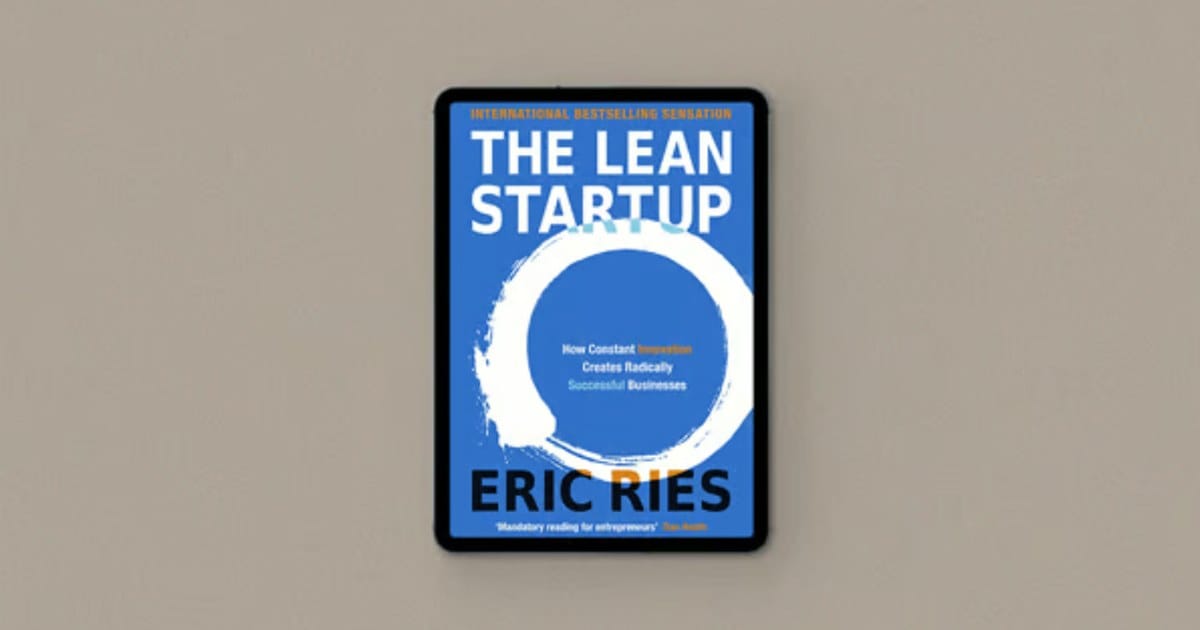
In February 2011, Eric Ries came to Boston to present at the chapter. This was not a small deal. Eric had written the book - literally, The Lean Startup was being finalized at the time - and had built a following among a specific kind of founder and operator who took the methodology seriously.
What I remember most about that night is not the presentation itself, though it was excellent. It was the conversation before the event. Eric was genuinely curious about what was working in the Boston community, what questions kept coming up, what practitioners were struggling with. He was not performing interest. He was doing customer development on his own ideas in real time.
The event drew a crowd that was half new to lean startup and half experienced practitioners. Eric handled that split audience as well as I have ever seen a speaker handle a mixed room - covering fundamentals without boring the veterans, then going deep on edge cases that rewarded the people who had been applying the methodology for a year or two.
What building the community taught me
Organizing LSC Boston predated everything I later did around community building - the Leaders Dinner series, FRuN. The core lesson was the same across all of them: a community's value comes from the honesty of its conversations, not the prestige of its speakers. Eric Ries coming to Boston was meaningful. But the chapter was valuable before he arrived and continued to be valuable after he left.
The operators who showed up month after month, shared what they were learning, and pushed each other to think more rigorously - that was the product. The speakers were distribution.