The new market vs. new product decision is one of the most consequential calls in a company's growth trajectory - and one of the most commonly botched. The reason it goes wrong is not analytical failure. It is the instinct to do both simultaneously: take a new product into a new market at the same time, doubling the sales cycle and halving the odds of success. The right question is which constraint you can actually afford to take on given your stage, your capital, and where you already have a right to win.
PermissionTV: a case study in doing both at once
In December 2010 I spoke at the MIT Enterprise Forum in Cambridge and used PermissionTV as my case study for what happens when you try to create a new category and sell into it simultaneously. I do not recommend it.
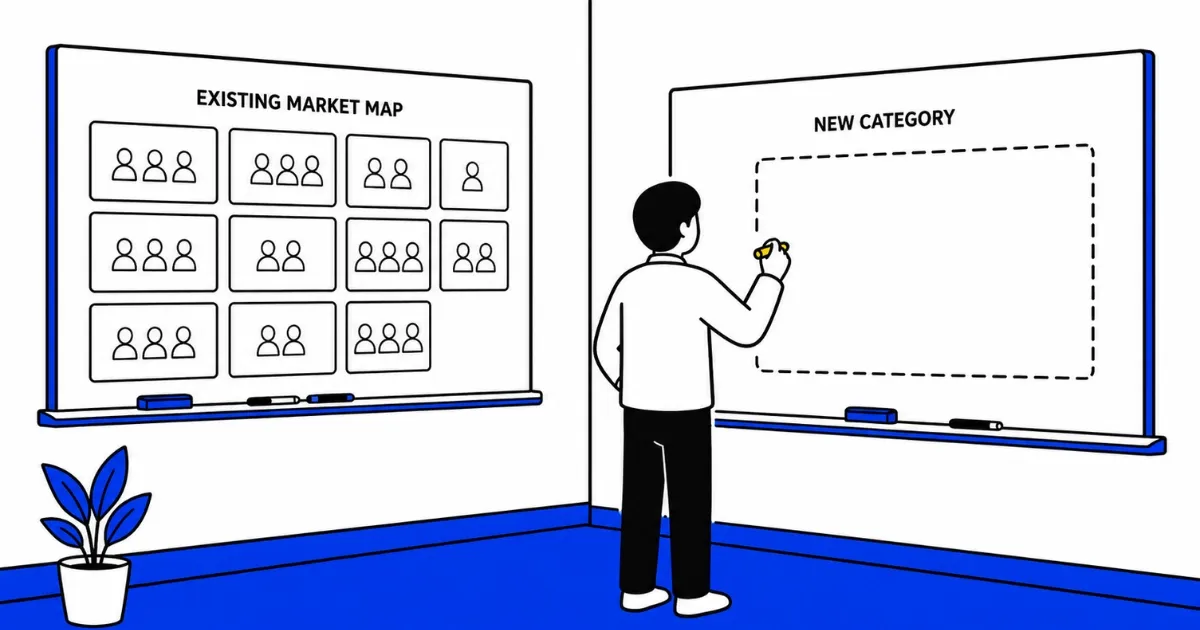
PermissionTV built an online video platform for premium content owners - studios, broadcasters, media companies. The product was real and genuinely capable. The problem was that the market did not exist yet in the way the team assumed it did. Online video monetization for premium content was an emerging category, not an established one. Buyers at Fox and MGM understood what they eventually wanted. Getting them there required educating the market about the category before making the case for PermissionTV's product within it. Every sales conversation started from scratch. There was no shorthand, no shared vocabulary, no existing budget line to sell into.
That doubles your sales cycle immediately. You are not selling against a competitor - you are selling against inertia and unfamiliarity. The time it takes to close a deal expands. The cost of each deal expands. And if you are an early-stage company with capital constraints, you run out of runway before the market matures enough to move quickly.
PermissionTV eventually rebranded to VisibleGains and wound down. The product was real. The problem was real. The go-to-market approach of trying to create a category while also building a customer base was too slow for the capital available.
EditMe: the easier version of the same decision
The contrast I drew at MIT that night was EditMe, the bootstrapped SaaS wiki tool I co-founded with Matt Wiseley. We were operating in a market that already existed - online wikis were a known category, buyers understood what they were, and there were established competitors including PBwiki and Socialtext.
That existing market made the sales conversation fundamentally different. We were not explaining what a wiki was or why someone might need one. We were answering a different question: why EditMe rather than the alternatives? That is a faster conversation. It fits into the buyer's existing mental model and existing budget category. We could close deals without first closing a conceptual gap.
The strategic choice we made - and it was a deliberate one - was to go narrow rather than broad. Our data showed we were winning in a specific segment: nonprofits and small businesses that needed simple, affordable collaboration tools. PBwiki was not particularly focused there. Rather than chasing PBwiki's feature roadmap across their full market, we went deeper on the segment where we had genuine traction. PC Magazine gave us an Editor's Choice. We grew to about 5,000 customers at $5 a month. Not following the herd paid off.
An existing market with unsatisfied demand is a much better starting position than a new market where you have to create the demand from scratch. Creating demand is expensive and slow. Most early-stage companies cannot afford it.
How to make the call
The new market vs. new product decision is best treated as a two-way door where possible: run a time-boxed bet in the new market or with the new product, instrument the right metrics, and make the call based on evidence rather than conviction. The mistake is treating it as a permanent strategic commitment before you have signal.
The marketplace growth framework applies here too: a new market is not just a demand problem, it is a liquidity problem. Do you have the supply to serve the new market? Do you have the reference customers? Do you have the sales motion that works in that context? If the answers are mostly no, you are not entering a new market - you are funding an experiment with company-level resources.
Be honest about whether the market you think is new actually has latent demand you can access, or whether you are going to have to create the demand. If you cannot find buyers who already know they have the problem you are solving, you may not have a market yet. You may have an idea that needs more validation before it becomes a product strategy.
The new market vs. new product question is not really a strategic question. It is a capital question. How much runway do you have, and is that enough to pay the cost of whichever constraint you are taking on?