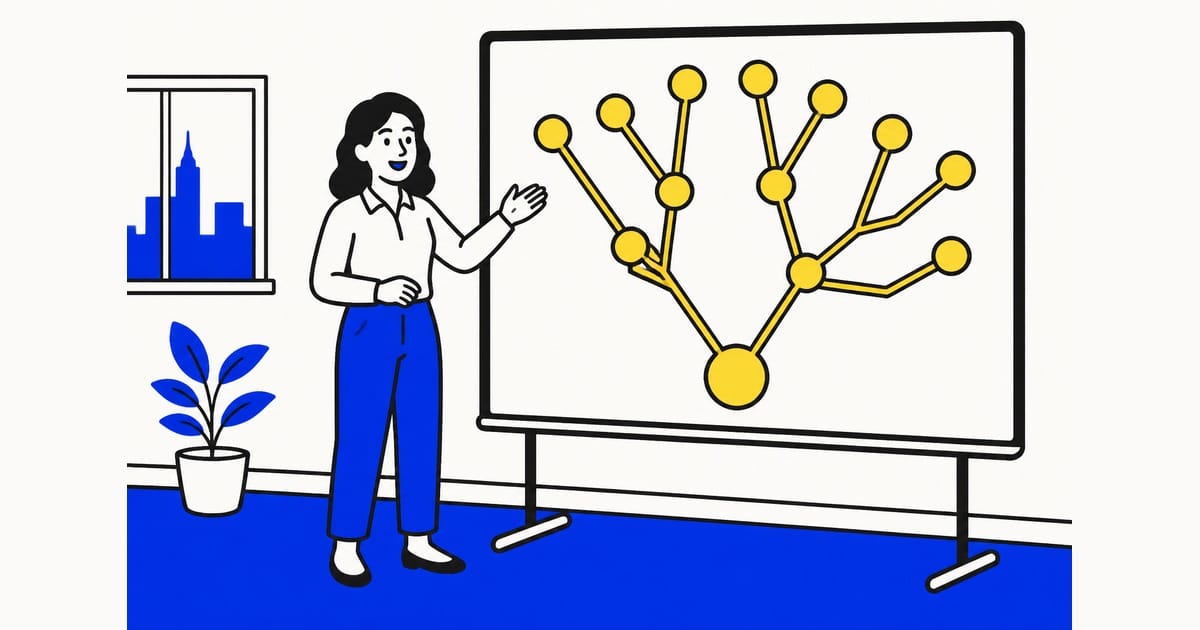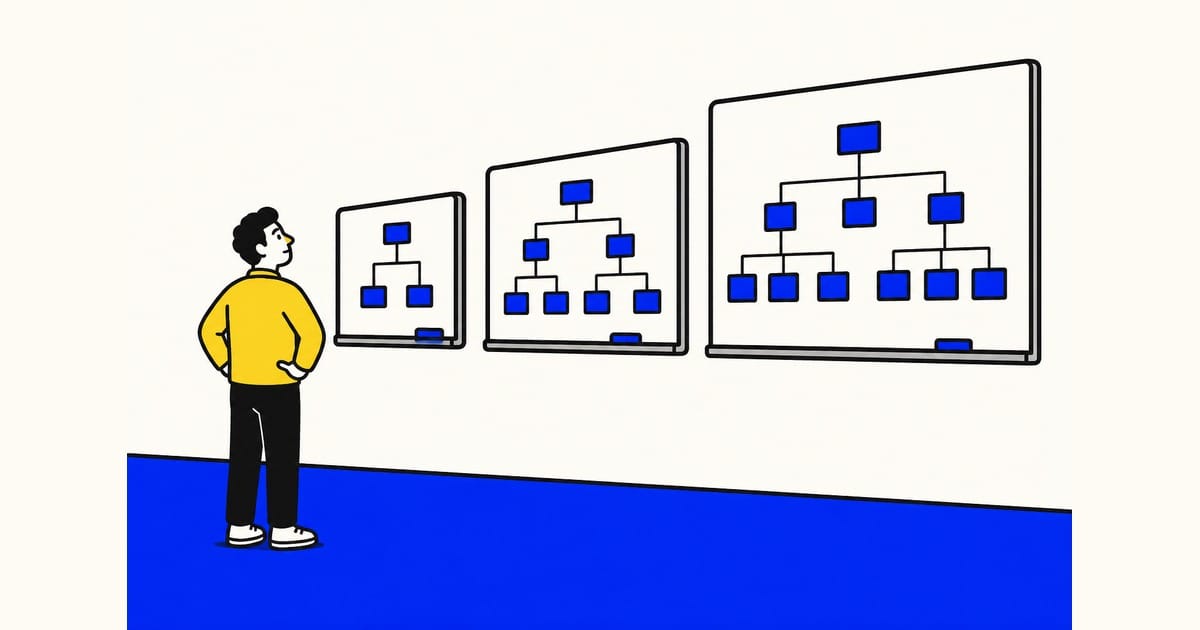

It started with a question: The world already knows TripAdvisor as a research site — how might we harness that intent to purchase on our site? The answer became $0 to $200M in e-commerce revenue in 18 months. This is the story of how that happened.
Back then in 2013, I hadn't yet built a $100+ business or a team from scratch. But, here I was, in the office of the my boss’s boss, the Global Head of Product, and being asked to do just that. The plan was to become a booking engine - take on the biggest giants in our industry, and beat them at their own game. It would be the CEO’s top strategic initiative and I had the feeling that if I turned this down, future prospects of career growth at TripAdvisor would be limited. These kinds of opportunities come around once or twice in a career and so without thinking too much about what it would take to truly be successful or what I would need, I dove right in. What followed was three grueling years of building, launching and optimizing a hotel booking product that reached hundreds of millions of travelers worldwide, changed how hotels distributed their inventory online, and taught me key lessons of product leadership inside a growing business. Over this next 4 part series, I'll outline
- Emulate to accelerate.
- Speed Wins.
- Accountability is a team sport.
- Break out of your local maxima.
Lesson 1: Emulate to accelerate out of the gate.
The $200M did not come from a single insight. It came from being willing to rebuild the model three times when the data said we were wrong.
Building out a new product or key feature from scratch is hard. Strategically, TripAdvisor already had tremendous assets. The product strategy question was not whether we could build a booking product — it was whether we could build one that a hotel would trust with their inventory in real time.
This is a common approach - Facebook’s close emulation of Instagrams’ Stories feature into the FB core platform is a perfect example. We found at Tripadvisor that it was a great way to accelerate growth by drafting behind top teams and products that have already put in the effort and expense of building out their own feature sets. Having a deep understanding of the competition is vital to know which version of the feature is best to emulate. Without months or years of product experience in this space to draw upon, we felt as if we didn’t know much. You may feel this way too. We really leaned into that feeling of being a novice and unapologetically copied what was already working. This did require us to get over ourselves - a feeling like we should be breaking new ground and innovating. Along with a few other ingredients, Innovation requires a deep understanding of what’s not working about the status quo, which we realized we did not have yet. In the first few months after initial launch, we tested product designs that closely matched 4 of our top competitors - Booking, Expedia, Kayak, and Hipmunk and rolled out the solution that tested the best. This provided us a platform upon which we could optimize and refine in the future.
Note: This approach is probably not a path to long term success if the sum of the parts does not result in a true differentiation in the marketplace. Look at Juciero as an example, a much hyped Silicon Valley startup that provided healthy juice mixes and a very expensive machine. Once the customers realized the machine simply squeezed the juice out of the packages, Juciero management was left with a “me too” product that was much more expensive than the alternatives.
What Actually Drove the Growth
The instant booking product at TripAdvisor was a two-sided marketplace problem inside a media business — which made it genuinely unusual and genuinely hard. The supply side (hotels) had to give up control. The demand side (travelers) had to trust a new booking experience.
The strategic unlock was reframing the product from 'booking platform' to 'frictionless conversion layer.' TripAdvisor had the traffic and the trust. The job wasn't to build a new booking relationship - it was to remove the steps between research intent and transaction confirmation. Every product decision ran through that filter: does this reduce the steps between 'I want this hotel' and 'I have this hotel booked'?
The $200M came from three compounding improvements: increasing the supply of bookable inventory (more hotel partners opting in), improving the matching algorithm so the right offers surfaced for the right traveler segments, and reducing checkout friction to the point where the conversion rate on traveler intent was meaningfully higher than the OTA redirect alternative. None of those improvements was a single breakthrough. They were 18 months of disciplined iteration against a clear framework.
The lesson I've applied in every marketplace engagement since: define the conversion mechanism before you build the product. Know specifically what moment you're trying to accelerate, what's creating friction at that moment, and what your unfair advantage is in removing it. At TripAdvisor, the unfair advantage was trust and traffic. The product's job was to not waste it.
Building a Marketplace Growth Engine?
The principles that drove $200M in marketplace revenue at TripAdvisor apply broadly to two-sided platforms at any scale. I work with marketplace founders and product leaders on growth strategy and product execution. Let's talk.